
You
More than a parent.
Women’s health, identity, work, travel — the parts of you parenthood didn’t replace. The room that’s still about you.

Start here
Classes for the whole you, to start with.
Identity Death And Rebirth Not Postpartum Depression
Your Brain on Parenthood
Grieving Who You Were
Browse the full library
See all classes Browse the full list.
Showing 30 of 30 lessons
Matrescence The Word For Whats Happening
Identity Death And Rebirth Not Postpartum Depression
Your Brain on Parenthood
Grieving Who You Were
Joy And Grief At The Same Time
The Things That Made You Before
Friendships: Keeping the Old Ones
Friendships Making The New Ones
Self Care Isnt What Instagram Says
You — Lesson 10
You — Lesson 11
You — Lesson 12
You — Lesson 13
You — Lesson 14
You — Lesson 15
You — Lesson 16
The Mental Load Conversation
Sex After A Baby
Communication When Exhausted
Family Operating System
Saying No Boundaries Beyond The Buzzword
The Menstrual Cycle Whats Actually Happening
PMS vs. PMDD: The Difference
Period Pain Endometriosis Awareness
Perimenopause vs. Menopause: The Critical Distinction
When Does Perimenopause Start
The 30 Symptoms Of Perimenopause
Finding Perimenopause Literate Doctor
Hormone Therapy History Whi Misread
The Updated Risk-Benefit Picture
Who you'll learn from
See all the experts Specialists who work this stage

AMK Counseling
Counselors/Therapists, LCSW/LCPC/LSW/LPCAt AMK Counseling, we help women navigate emotional and mental health challenges with clarity, confidence, and personalized care.
Perinatal therapists
Virtual okView profile →
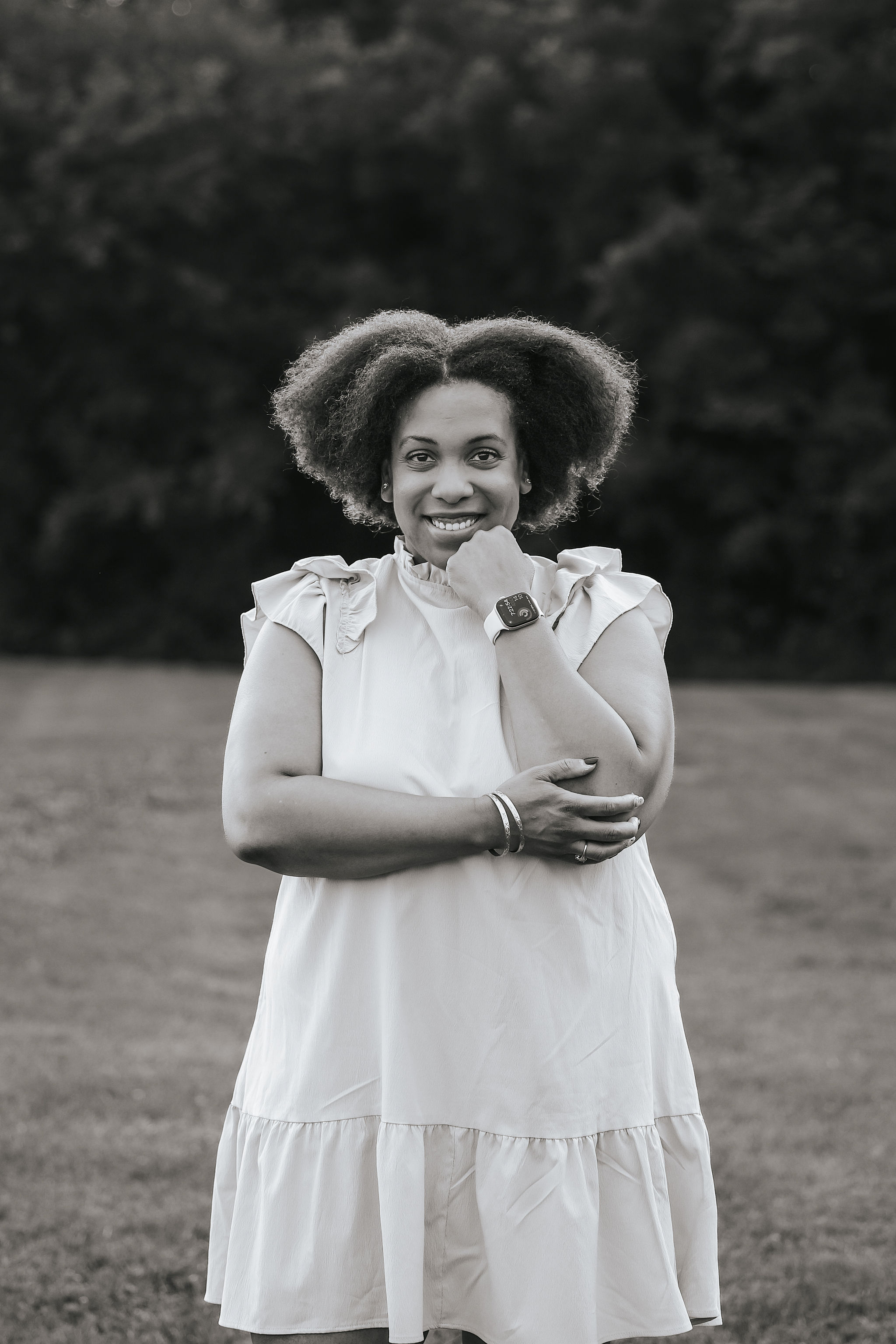
Carina E. Lane
MS.Ed, MSW, LSW, IECMH, DT, PMH-C Infant and Early Childhood Developmental/Infant Mental Health Specialist Perinatal Mental Health SpecialistPerinatal mental health education and guidance in understanding children’s communication for parents and programs.
Perinatal therapists
Virtual okView profile →
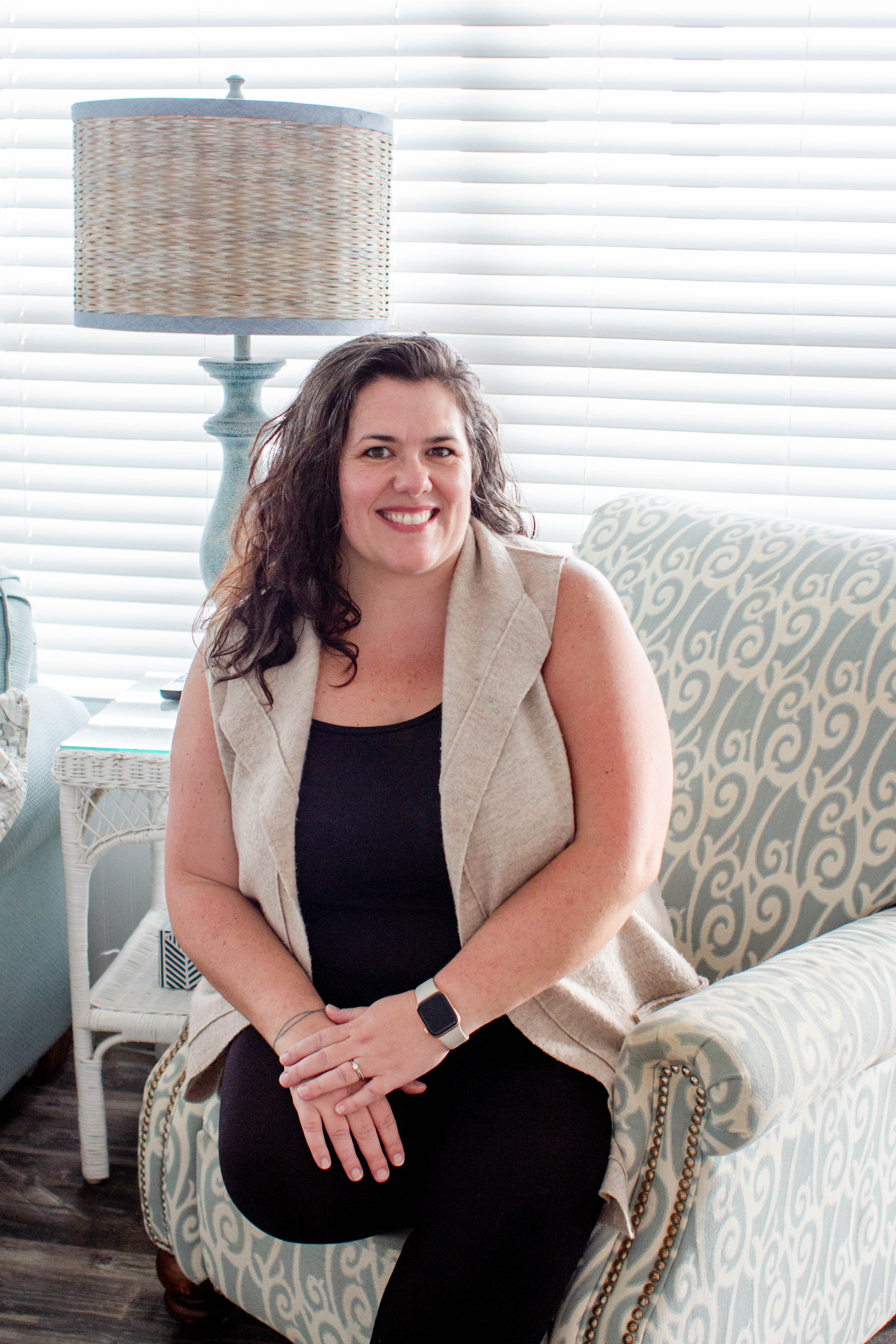
Kate Littlefield
Master of Science (MS), Licensed Clinical Mental Health Counselor (LCMHC), EMDR, Child-Parent Psychotherapy (CPP), Postpartum Support International (PSI) Advanced Training, Neurosequential Model trainedSeasoned mental health professional focusing on all things family.
Perinatal therapists

Katie Caddell
LCSW, PMH-CI am a perinatal mental health certified therapist that specializes in providing care, support, and treatment for individuals during the planning stages of parenthood, during pregnancy, and throughout the postpartum period.
Perinatal therapists
Virtual okView profile →

Lauren Ratliff
Lauren Ratliff, LCSW, PMH-CI am a perinatal therapist and the practice owner of Matrescence Therapy, as well with experience raising three young kids.
Perinatal therapists
Virtual okView profile →

Priya Rednam Waldo
Licensed Perinatal Therapist and Coach, PMH-C LMSW MPHPerinatal Therapist & Coach Empowering Career-Driven Women to Thrive on the Transformative Journey of Motherhood
Perinatal therapists
Virtual okView profile →
Common questions
The things people actually Google.
Should I see a pelvic floor PT postpartum?+
In many countries it’s routine after birth, and most people here would benefit from at least one visit. Leaking, heaviness, or pain with sex aren’t things you have to live with — a pelvic floor PT can assess and treat what a six-week check often skips.
What is matrescence?+
Matrescence is the developmental shift into motherhood — like adolescence, but for becoming a mother. Body, hormones, identity, and relationships all change at once. Naming it helps: you’re not failing, you’re transforming.
Why does my marriage feel different after having a baby?+
Because everything changed at once — sleep, roles, bandwidth, and who does what. Feeling like roommates is incredibly common and not a verdict on your relationship. Naming the mental load and rebuilding connection on purpose is the work, and it’s learnable.
How do I go back to work after maternity leave?+
Start before you’re back: a phased return if you can, childcare locked in, and a frank conversation with your manager about the first few weeks. The version of you that returns is allowed to be different — and a coach who knows this transition can help you negotiate it.
Is it normal to feel like I lost myself after having a baby?+
Deeply normal — and rarely talked about honestly. The old you isn’t gone; she’s reorganizing. Identity, friendships, ambition, and your body all shift in matrescence. A therapist who works with this can help you find your way back to yourself.
How do I make time for myself as a new parent?+
Start absurdly small — ten minutes is real. Trade coverage with a partner or friend, lower the bar on everything optional, and treat your own needs as logistics worth scheduling, not a reward you earn after everything else is done.
Everything in this stage, in one membership.
Classes, the experts, and the guides you keep — free for your first month.
Try a month freeGet expert advice in your inbox. No spam. No noise.
Fewer, better emails.